
304 Stainless Steel Sheet
Kongfang Metal supplies 304 stainless steel sheet from our stock and processing facilities in Wuxi, China. We prepare full sheets, cut-to-size panels and blanks cut to your drawing, with surface finishing, protective film, mill test certificates and packing arranged for your order.
You can start with a size list, a drawing or the appearance you want to achieve. We help work through the material and preparation details, so you do not need a complete purchasing specification to make a first enquiry.
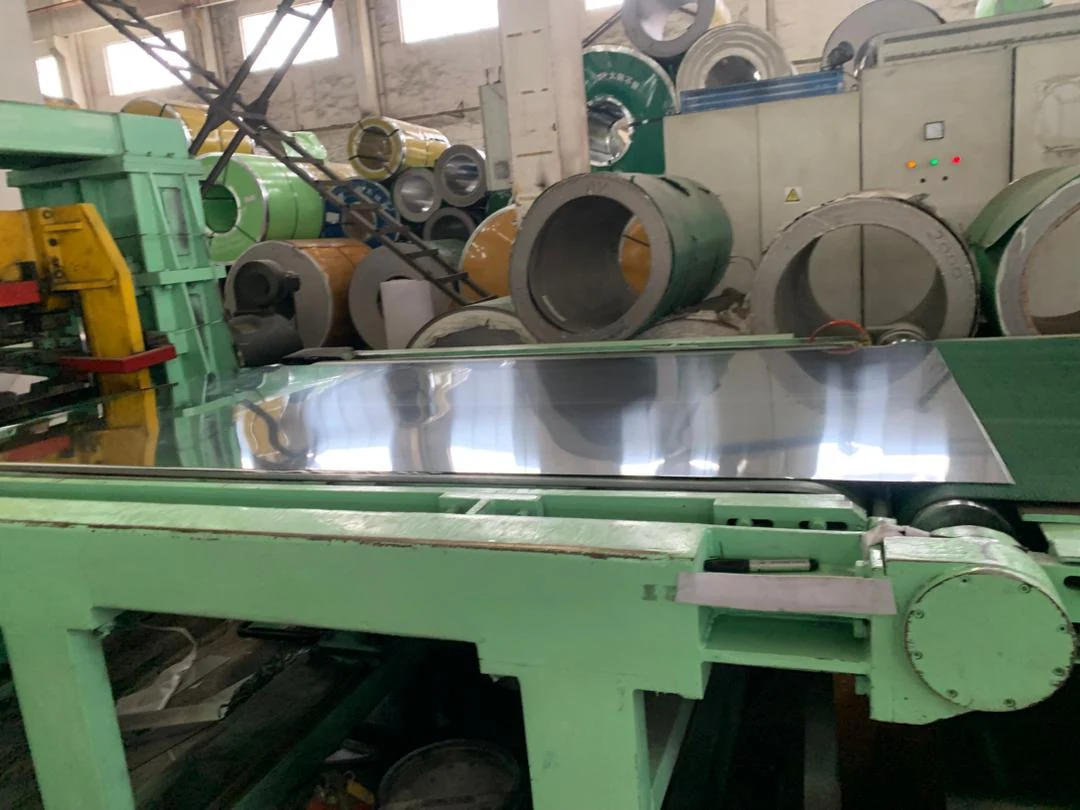
Sheet sizes and supply options
Full sheets give fabricators flexibility to nest several parts in their own workshop. Cut panels and blanks cut to your drawing reduce the preparation needed at your end. We work with both formats.
We supply 304 stainless steel sheet from 0.3 to 5.0 mm thick. Cold rolled sheet is typically 0.3–3.0 mm; at 4–5 mm, we offer hot rolled No. 1 and selected cold rolled material. The combinations below help identify the starting material for your order. Dimensions in this table are length × width.
| Full sheet size, L × W (mm) | Typical thickness in mm | Finish and supply basis |
|---|---|---|
| 2000 × 1000 | 0.5–3.0 | Stock supply, often cut to length from cold rolled coil. Mainly 2B; BA for selected specifications. |
| 2438 × 1219 | 0.5–3.0 | Stock supply. Mainly 2B; BA for selected specifications. No. 4 or hairline finishing can be arranged for the specified appearance. |
| 3000 × 1500 | 0.8–5.0 | 2B at thicknesses up to 3 mm; No. 1 from 3 mm. Stock, coil cut to length or material ordered for the job, according to the exact specification. |
At 3 mm, both cold and hot rolled options are available. For the 3000 × 1500 mm format, select the rolling method and finish together: 2B up to 3 mm, or No. 1 from 3 to 5 mm.
Thickness and surface selection
| Thickness in mm | Usual starting material | Stock and finishing |
|---|---|---|
| 0.3–0.5 | Cold rolled coil cut to length | 2B or BA according to available material; stock or material ordered for the job. |
| 0.6–2.0 | Cold rolled sheet or coil | Stock supply, mainly 2B; BA enquiries welcome. |
| 2.5–3.0 | Cold rolled sheet or coil | Stock supply in 2B; other finishes quoted for the order. |
| 4–5 | Hot rolled sheet or selected cold rolled material | No. 1 or a cold rolled finish, according to the starting material; match the rolling method and finish to the required size. |
2B, BA and No. 1 are starting supply finishes. No. 4, hairline and mirror polishing are normally additional processing, with the appearance sample and protective film agreed for the order. We also prepare cut-to-size and shaped blanks by shearing, laser cutting or waterjet cutting within the starting material and equipment capacity.
How stock and processing affect the order
Stock full sheets need availability confirmed and material allocated. Cut pieces also need a processing plan, while non-stock dimensions or special surfaces require the starting material and finishing arrangements to be established. Your quotation identifies the supply arrangement for your order.
For other grades and thicker flat products, explore our stainless steel plate and sheet options.
When to start with 304 sheet
304 is a common starting point for kitchen equipment, formed equipment covers and architectural panels in mild environments. Its formability and range of finishes make it useful when the sheet will be shaped or become a visible surface.
For salt exposure, chloride-bearing cleaners or hot process liquids, review the environment before choosing the grade; 316 or a more resistant material may merit comparison. For welded components where a low-carbon grade is specified, compare 304L stainless steel. Our 304 stainless steel guide covers the material properties; the SSINA material selection guidelines explain the environmental considerations.
Choose the finish for the finished part
A cabinet front, an internal equipment panel and a blank that will be polished after fabrication may need different surface preparation. We supply mill finishes and processed surfaces to suit the visible face and the fabrication work that follows.
| Finish | Appearance | Selection detail |
|---|---|---|
| No. 1 | Hot rolled, annealed and descaled surface. | A starting finish for hot rolled sheet; allow for further polishing where a decorative face is needed. |
| 2B | General purpose cold rolled finish. | A starting surface for general fabrication or further finishing. |
| BA | Bright annealed surface, brighter than 2B. | Use a sample when the appearance needs to match an existing part. |
| No. 4 brushed | Directional polished appearance. | Specify the visible face and grain direction against an agreed sample. |
| Hairline | Long directional grain. | Keep the grain orientation consistent across adjacent panels. |
| Mirror | Highly reflective polished surface. | Define one or both sides, the visible area and visual acceptance criteria. |
Panels fitted side by side need a common appearance reference. We can work from an approved sample and grain direction so that finishing and cutting follow the same visual brief. The drawing should identify the visible face and orientation. Where roughness serves a functional purpose, the specified value and measurement method provide the acceptance basis.
We select protective film for the surface and subsequent processing. Tell us whether the sheets will be laser cut or bent, and which side needs protection. If welding is planned, remove the film from areas exposed to heat before welding, as described in IMOA’s fabrication guide, section 14.7.
Our surface finish reference and the worldstainless surface treatment guide provide further finish information.
Sheet cutting and preparation
We cut sheet into panels and blanks, including profiles and repeated parts through our stainless steel laser cutting service. A finished rectangle can be quoted from a dimension list; profiles and holes are best defined by a drawing.
The delivery size is the size of the blank we prepare. If you will bend or machine it later, that size may differ from the final component. Dimensions that control fit, edge preparation and grain direction belong on the cutting specification, with the drawing revision clearly identified.
For repeat parts, we can list the sizes and quantities using your part numbers and discuss how the pieces should be grouped for receiving. This brings material use, cutting and packing into the same quotation.
Material identification and documents
Our regular ordering standards are ASTM A240/A240M for 304 / UNS S30400, or EN 10088-2 for 1.4301 / X5CrNi18-10. The order records the applicable edition and inspection requirements. ASME SA-240/SA-240M supply should be requested explicitly.
Mill test certificates (MTCs) accompany the material, with EN 10204 type 3.1 normally available by agreement. Type 3.2 documentation or third-party inspection needs advance confirmation of feasibility and cost. 304, 304L and 304H are separate grade requirements and are not substituted without agreement.
For ASTM material, dimensional and general requirements are addressed by ASTM A480/A480M. On European orders, the dimensional tolerance standard is selected for the rolling method and product form, with any tighter tolerances stated in the order.
304 material document example
The example below records 3 mm 304 cold rolled coil with a 2B finish on an EN 10204 type 3.1 mill certificate. For sheets cut from coil, the delivered sheet size is specified in the order alongside the starting material identification.
| Material on certificate | Dimensions in mm | Finish and document information |
|---|---|---|
| 304 / UNS S30400 cold rolled coil | 3.00 × 1280 × C; thickness × width × coil | No. 2B finish. EN 10204 type 3.1 certificate to ASTM A240/A240M-25. |
The MTC for your order identifies the supplied material and its inspection results. We can review the required documents with you at quotation stage, including any project-specific inspection arrangements.
The grade and standard on the MTC should match the purchase order, with the heat or batch reference linked to the material identification. Where cutting removes an original marking, the order needs an agreed identification method for the pieces or their packaging.
If you require 304/304L dual-certified sheet, state this in your enquiry and purchase order. The certificate must support the requested grades and scope; several designations on a certificate do not establish full compliance with every listed standard. The BSSA guidance on dual certification explains the distinction.
Packing and delivery
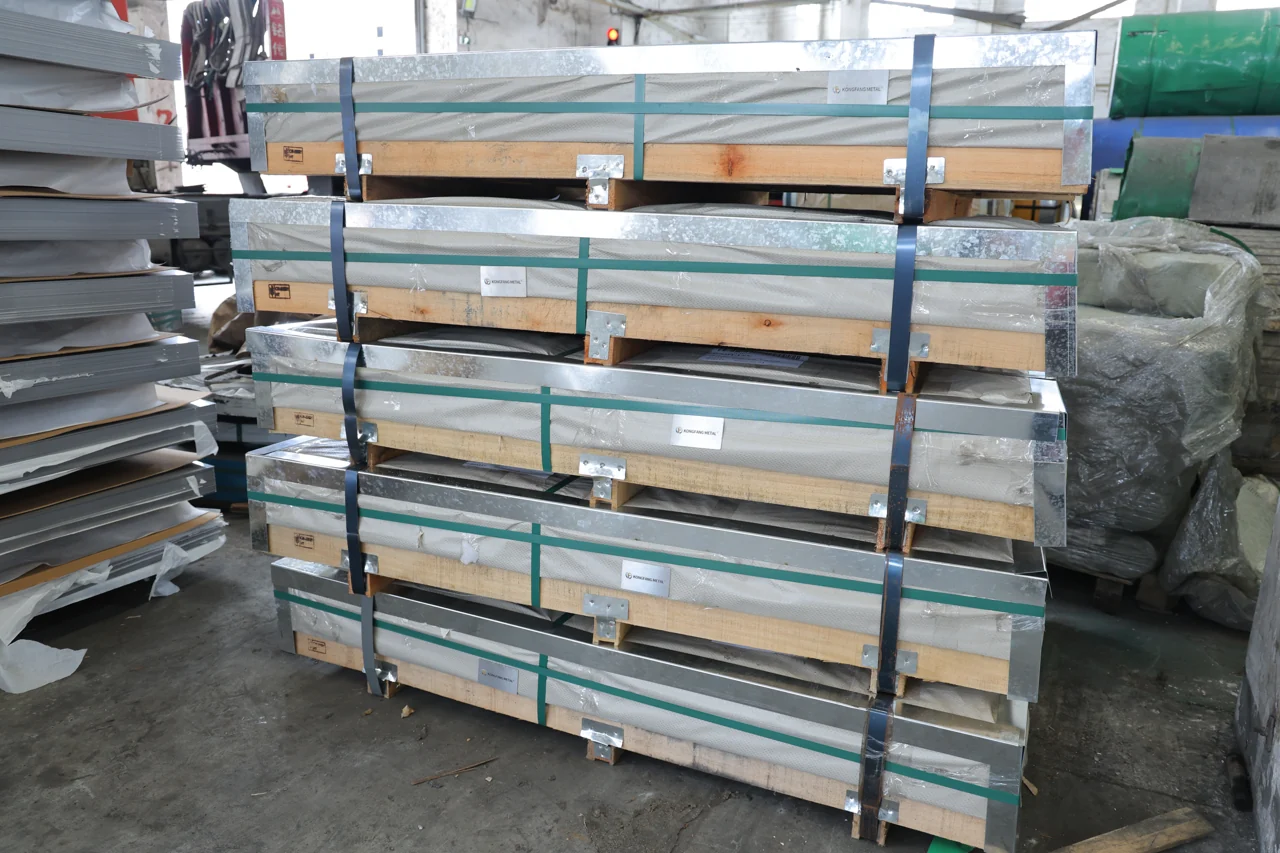
We prepare sheet packs with surface protection, supports and shipping marks for the handling involved. Different sizes or part numbers can be grouped separately in the packing plan, helping the receiving team identify what belongs to each job. Pack weight and lifting access are agreed around the unloading equipment at your site.
The quotation distinguishes material readiness, the planned dispatch date and estimated arrival. For sea freight, vessel booking and transit time are considered alongside material preparation. Delivery responsibilities follow the agreed terms, such as FOB, CFR, CIF or DDP.
What to include in your enquiry
A first enquiry can be brief: known sizes, an estimated quantity, the intended use or a drawing. We can work through the remaining details with you. For a formal quotation, the following information brings material, processing and delivery onto the same basis.
| Quotation detail | Information to send |
|---|---|
| Material and documents | Grade, product standard and edition if specified, certificate and inspection requirements. |
| Dimensions and quantity | Thickness × width × length in mm, quantity for each size, or a drawing and piece count. |
| Finish and fabrication | Surface, visible side, film, grain direction, cutting, tolerances and edge preparation. |
| Delivery | Packing instructions, destination, delivery terms and required date. |
Example enquiry: “Please quote 20 sheets of 304 stainless steel, 1.0 × 1219 × 2438 mm, 2B finish, protective film on one side, with an MTC. Please confirm the earliest dispatch date and delivery options to Colombo, Sri Lanka.” Add the product standard or drawing when the order calls for one.
304 sheet ordering questions
What affects the price of 304 stainless steel sheet
Thickness, sheet size, quantity, finish, cutting and packing affect the quotation, together with material prices and delivery terms at the time of ordering. Comparable offers use the same dimensions, quantities, documents and delivery basis. A price per kilogram alone does not show the full cost of prepared panels.
Can I place a trial order or buy a single sheet
We generally accept trial orders. We welcome enquiries for a single sheet from stock. For material that needs to be ordered, quantities follow the mill minimum, full pack or coil requirements, or an available combined-order arrangement.
Straight cuts are quoted from the drawing and nesting layout. Laser-cut or waterjet-cut shapes are assessed by quantity, hole count and cutting length. For an export trial order, freight and customs handling can add substantially to the unit cost, so we show the material and delivery basis clearly when discussing the order.
When can you confirm dispatch
We confirm dispatch once stock availability and any processing or inspection requirements are established. For sea freight, vessel booking and transit time are considered separately from material readiness.
Should my order say sheet or plate
The actual thickness, dimensions and product standard define the requirement more clearly than the name alone. If your specification calls for plate or a particular production method, keep that wording in the enquiry so the quotation can be checked against it.
How can I make repeat decorative panels match
An approved sample, recorded grain direction and identified visible face give a repeat order a consistent reference. Panels intended for the same installation should be identified as a set before finishing and packing, so the appearance can be reviewed across the group.


 EN
 ES
 RU
 FR
 PT
 DE
 JA
 KO
 ID
 TR
 AR
