
Is Stainless Steel Conductive?
If you work with electrical equipment, industrial systems, welding, grounding, or stainless steel fabrication, you may wonder:
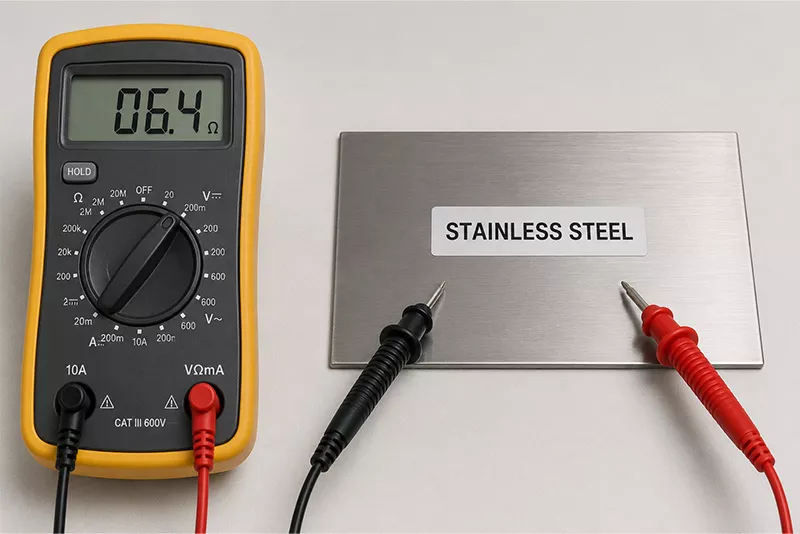
Is stainless steel conductive?
The short answer is:
Yes — stainless steel conducts electricity.
But it is much less conductive than copper or aluminum.
This difference matters in real-world applications such as:
- Electrical grounding
- Heating systems
- Industrial equipment
- Food processing lines
- Architecture
- Resistance heating
Understanding how conductive stainless steel actually is can help you choose the right material for performance, safety, and cost.

1. Does Stainless Steel Conduct Electricity?
Yes.
Stainless steel is an electrically conductive metal because it contains:
Electric current can flow through stainless steel.
However:
Stainless steel has higher electrical resistance than many other common metals.
That means:
- It conducts electricity less efficiently
- It generates more heat under current
- It is not usually the first choice for electrical transmission
2. How Conductive Is Stainless Steel?
Compared with highly conductive metals, stainless steel conductivity is relatively low.
| Material | Electrical Conductivity |
|---|---|
| Silver | Very high |
| Copper | Extremely high |
| Aluminum | High |
| Carbon steel | Moderate |
| Stainless steel | Lower |
This is why:
- Copper is used for electrical wiring
- Aluminum is used in power transmission
- Stainless steel is used more for structure and corrosion resistance
3. Why Is Stainless Steel Less Conductive?
The alloying elements that improve corrosion resistance also reduce conductivity.
Key elements include:
- Chromium
- Nickel
- Molybdenum
These elements disrupt electron flow inside the metal.
As corrosion resistance increases:
Electrical conductivity generally decreases.
This is an important tradeoff in engineering design.
4. Does All Stainless Steel Have the Same Conductivity?
No.
Different stainless steel grades have different electrical properties.
4.1 Austenitic Stainless Steel (304 / 316)
Examples:
Characteristics:
Excellent corrosion resistance
Good weldability
Lower electrical conductivity
These are the most common stainless grades worldwide.
4.2 Ferritic Stainless Steel
Examples:
Characteristics:
- Slightly better conductivity
- Magnetic properties
- Lower nickel content
Common in:
- Appliances
- Automotive exhaust systems
4.3 Duplex Stainless Steel
Examples:
Characteristics:
- Higher strength
- Balanced structure
- Moderate conductivity
Used in:
- Offshore platforms
- Chemical processing
- Marine engineering
5. Is Stainless Steel a Good Electrical Conductor?
Usually:
No — not compared with copper or aluminum.
If your goal is:
- Efficient power transmission
- Low resistance wiring
then copper is typically far better.
However, stainless steel offers advantages that copper cannot provide.
6. Why Engineers Still Use Stainless Steel in Electrical Applications
Because conductivity is not always the only priority.
In many industrial environments, engineers need:
- Corrosion resistance
- Mechanical strength
- Heat resistance
- Hygiene
- Long service life
That is where stainless steel becomes valuable.
7. Common Electrical Applications of Stainless Steel
7.1 Grounding Systems
Some grounding systems use stainless steel because it:
- Resists corrosion outdoors
- Performs well underground
- Survives moisture exposure
Especially useful in:
- Coastal regions
- Chemical plants
- Marine environments
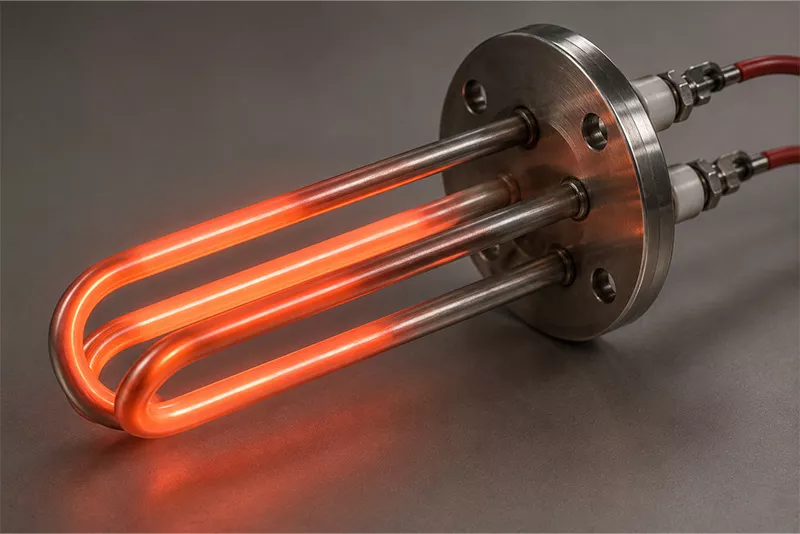
7.2 Resistance Heating
Stainless steel has relatively high electrical resistance.
This makes it useful for:
- Heating elements
- Industrial heaters
- Resistance wire systems
Examples:
- Toasters
- Industrial furnaces
- Heating coils
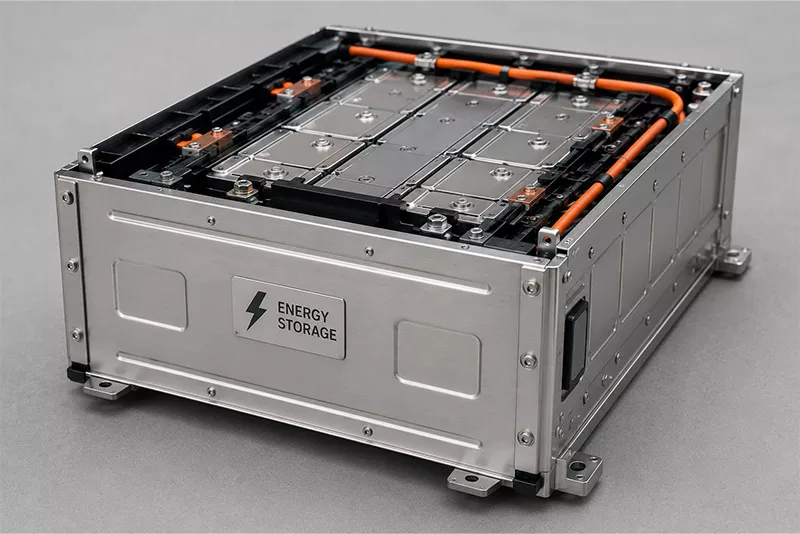
7.3 Battery & Energy Systems
Modern energy industries use stainless steel in:
- Battery housings
- Hydrogen systems
- EV structures
Not because of conductivity alone, but because of:
- Corrosion resistance
- Structural integrity
- Durability
7.4 Food & Pharmaceutical Equipment
Stainless steel is widely used in electrically powered equipment because it:
- Is hygienic
- Resists chemicals
- Handles cleaning processes well
Examples:
- Processing machinery
- Mixing systems
- Sterile equipment
8. Is Stainless Steel Conductive Enough for Grounding?
Yes — in many cases.
But grounding design depends on:
- Electrical codes
- Resistance requirements
- Environment
- Safety standards
Copper is still more conductive.
However, stainless steel may perform better long-term in:
- Corrosive soil
- Saltwater areas
- Industrial chemical exposure

9. Is Stainless Steel More Conductive Than Carbon Steel?
Usually:
No.
Carbon steel generally has:
- Better electrical conductivity
- Lower electrical resistance
But carbon steel rusts much faster.
This creates a common engineering tradeoff:
| Material | Conductivity | Corrosion Resistance |
|---|---|---|
| Carbon steel | Better | Poor |
| Stainless steel | Lower | Excellent |
10. Does Stainless Steel Conduct Heat?
Yes.
But again:
It conducts heat less efficiently than copper or aluminum.
This is why stainless steel cookware often uses:
- Aluminum cores
- Copper layers
to improve heat distribution.
11. Is Stainless Steel Magnetic AND Conductive?
Sometimes.
This confuses many buyers.
Austenitic Grades (304 / 316)
- Usually non-magnetic
- Electrically conductive
Ferritic & Martensitic Grades
- Magnetic
- Electrically conductive
Magnetism and conductivity are not the same thing.
12. Conductivity vs Corrosion Resistance — The Real Engineering Decision
In industrial applications, material selection is rarely based on one property alone.
The real question is usually:
“What balance of properties does your project need?”
Examples:
| Priority | Better Material |
|---|---|
| Maximum conductivity | Copper |
| Lightweight conductivity | Aluminum |
| Corrosion resistance + structure | Stainless steel |
| Extreme marine durability | Duplex stainless steel |
This is why stainless steel remains essential in:
- Offshore engineering
- Industrial processing
- Architecture
- Water treatment
- Energy systems
13. Which Stainless Steel Grades Are Common in Industrial Electrical Environments?
| Grade | Typical Use |
|---|---|
| 304 | General industrial equipment |
| 316 | Marine / chemical environments |
| 310S | High-temperature systems |
| 2205 Duplex | Offshore & aggressive corrosion environments |
Companies like Kongfang Metal supply these stainless steel grades for fabrication, industrial processing, structural systems, and demanding corrosion-resistant applications worldwide.

Conclusion
So, is stainless steel conductive?
Yes — stainless steel conducts electricity and heat.
But it is less conductive than copper or aluminum.
Its real advantage is not maximum conductivity.
Instead, stainless steel provides a valuable combination of:
- Corrosion resistance
- Strength
- Durability
- Heat resistance
- Long service life
That is why it remains widely used in industrial, marine, architectural, and energy applications worldwide.
FAQs
Yes. Stainless steel is electrically conductive.
It is conductive, but much less conductive than copper.
Because it combines conductivity with corrosion resistance and durability.
Yes. 304 stainless steel conducts electricity.
Some grades are magnetic, but almost all stainless steel grades are conductive.


 EN
 ES
 RU
 FR
 PT
 DE
 JA
 KO
 ID
 TR
 AR
